The Revival of Ancient Grain Bread in Chianti
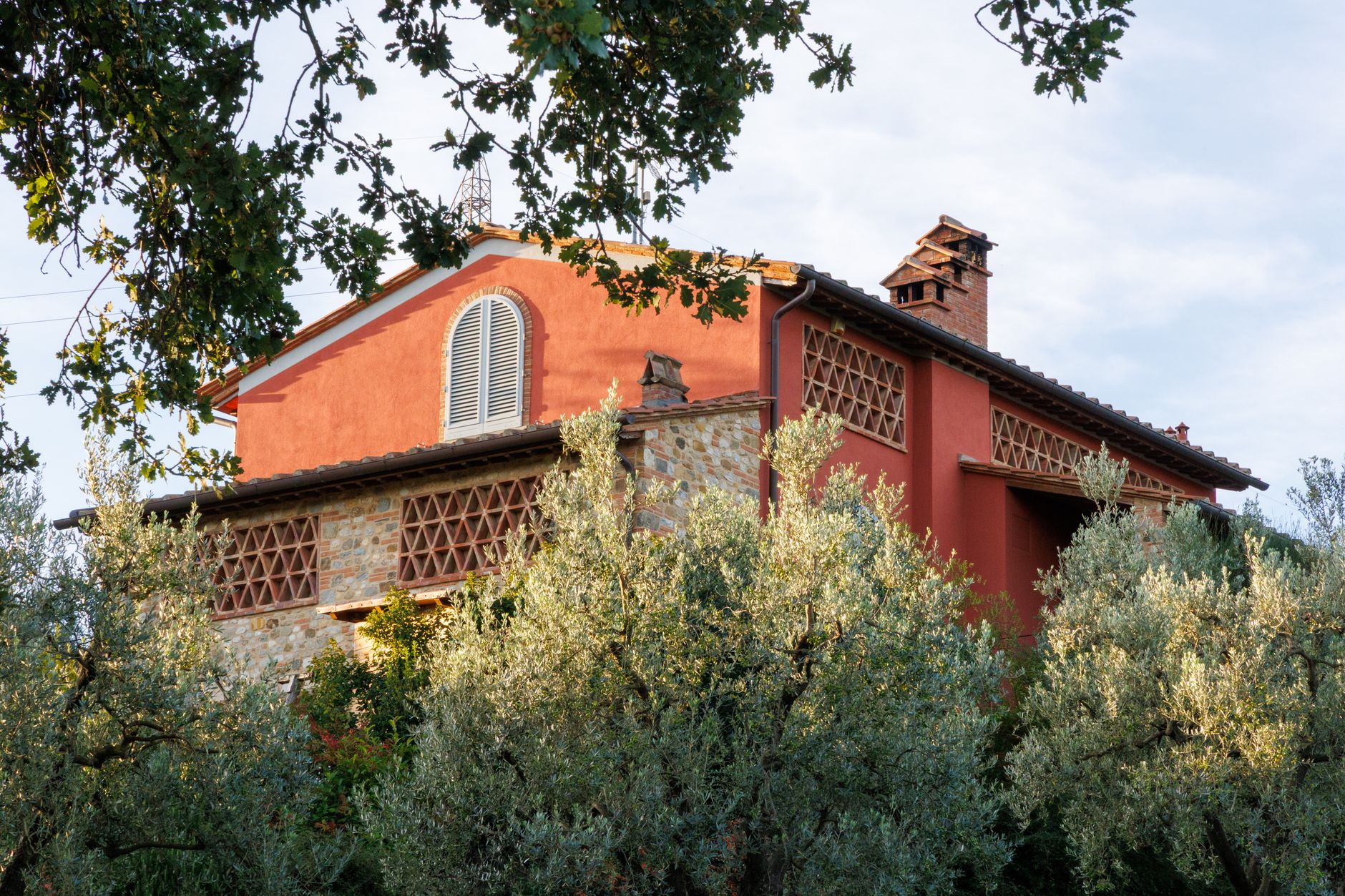
Before dawn in the hills surrounding Greve in Chianti, the mist hangs low over terraced olive groves. While tourists sleep, the wood-fired ovens of Forno Antico crackle into life.
Returning to Heirlooms
For decades, industrialized high-yield hybrid grains dominated central Italian agriculture. However, over the past seven years, a discreet movement of young agronomists and heritage bakers has reintroduced Senatore Cappelli, Verna, and Gentil Rosso wheats into rotation.
These ancient varietals possess deep root structures that extract rich minerality from stony clay soils. Ground gently between natural granite millstones at ambient temperature, the resultant flours maintain their wheat germ, oils, and subtle nutty profile that conventional flour completely lacks.
Wild Fermentation and Slow Craft
Every loaf baked here relies on a mother yeast that has survived continuously since 1928. The dough undergoes a 36-hour cold fermentation, allowing complex lactic and acetic acid bacteria to pre-digest gluten proteins, delivering a golden blistered crust and an airy, digestible crumb.
For the traveler who visits in early autumn, the harvest aromas of toasted grains, wild rosemary, and cold-pressed olive oil provide an enduring reminder that true luxury in travel is found not in white-glove formalities, but in profound connection to earth and craft.
Enjoyed this dispatch?
Explore our private culinary itinerary blueprints for central Italy.