Kyoto’s Hidden Machiya Sanctuaries
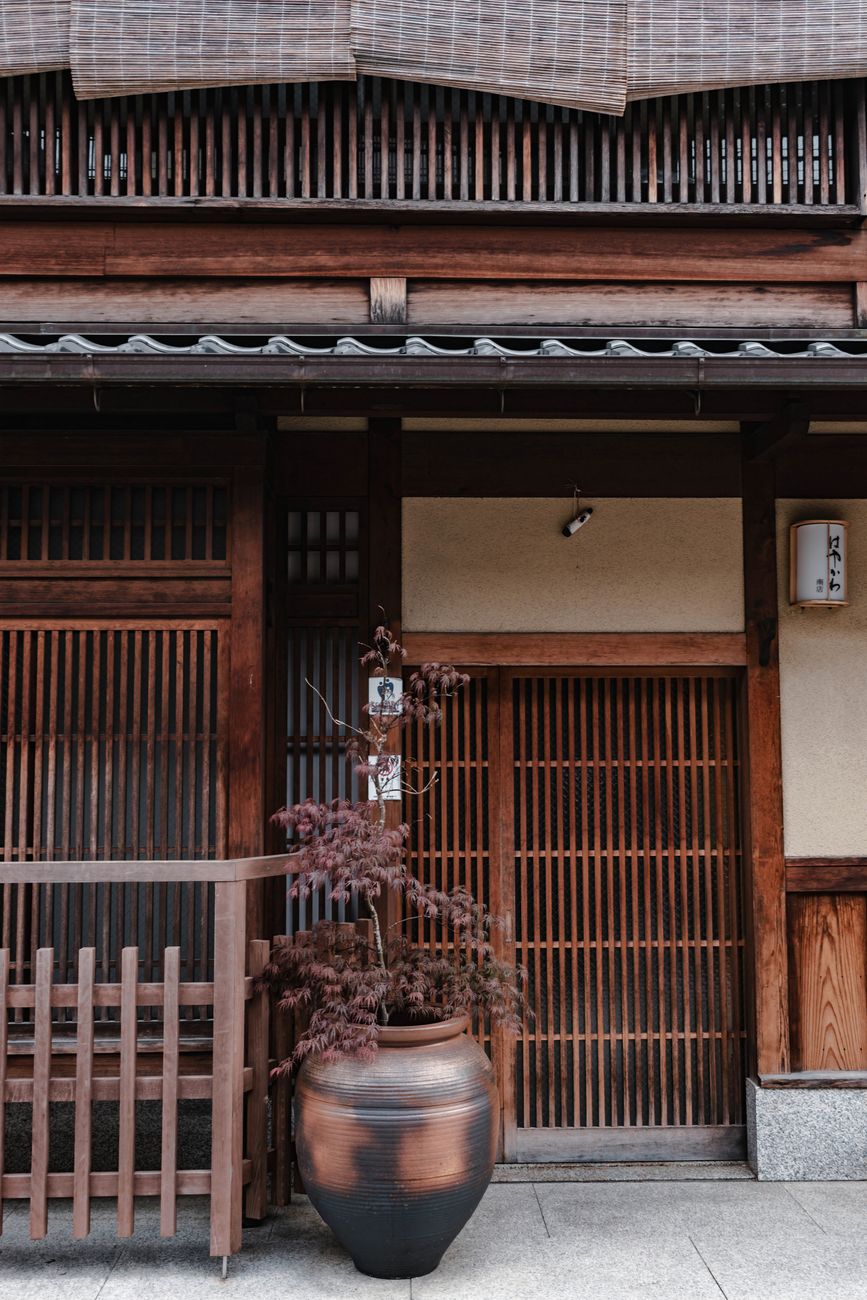
Walking through Nishijin at dusk, the subtle sound of wooden geta sandals echoes across cobblestone flagstones. Beyond delicate lattices of dark cedar wood, hidden courtyards celebrate quietness.
The Architectural Anatomy of Shadow
Traditional Kyoto machiya—narrow merchant residences dating back to the late Edo and Meiji eras—embody Jun'ichirō Tanizaki’s famous aesthetic of shadows. Rather than flooding interiors with harsh artificial illumination, these historic structures invite soft daylight through shoji screens and tsuboniwa (pocket gardens).
Modern preservationists have stepped in to rescue these historic townhouses from demolition, seamlessly installing discreet floor heating, raw brass fixtures, and handcrafted washi paper lanterns without interrupting the ancient cedar framing.
Living Slow in Nishijin
To reside in a restored machiya for a fortnight is to readjust one’s internal clock. The aroma of tatami reeds, the rhythmic sound of boiling iron kettles, and morning meditation overlooking damp moss stones reconnect travelers to a deliberate, grounded rhythm of existence.
Planning an East Asian residency?
Inquire with our editorial team for private stay recommendations.